I’m a game designer with 14 years of experience, a degree in economics, and a masters in game design. I specialise in systems & economy design, and have a great deal of experience in making big fancy spreadsheets to model gameplay, automate balancing tasks, and manage large quantities of object definition data.
I have worked on browser, mobile, PC and console games. I have worked at small independent studios and large multinational companies. I have led projects and mentored juniors, and I have also worked in more ancillary roles – setting up spreadsheets to balance and manage other people’s features, for example. I have mostly worked on live games in the past, so I’m used to designing with live data updates, long-term balance, and production economics in mind.
Please address work inquiries to owengrieve@gmail.com
Things I Have A Lot Of Experience In:
-
- Game design
- Economy balancing
- Data ontology
- Live Ops
- Update pipelines
- Pseudorandom systems
- Spreadsheets
Experience
2021 – 2025
Sumo Digital
Senior Systems & Economy Designer
I joined Sumo to bring my experience in live game design to some unannounced projects. It was my first time working on AAA games, and my first time working within a traditional publisher-developer relationship.
While I was there I worked on three different games. Sadly none of them made it to release, but moving between different genres and publishing partners gave me a good range of experiences to learn from – particularly regarding how the AAA industry (in general) handles balance data. I came away with a lot of new thoughts about how to manage data versioning across different backend environments when your designated backend service isn’t designed to do it for you.
Click to show / hide games
(Unreleased FPS Game) / Unreal / ????
- Metagame & economy design
- Data update pipeline design
- Minor in-game feature design
(Unreleased Sports Game) / Unreal / ????
- Metagame & economy design
(Unreleased Casual Multiplayer Game) / Unreal / ????
- Metagame & economy design
- Data update pipeline design
2020 – 2021
Freelance
Game Designer
I took on some freelance work during the Covid pandemic – overhauling spreadsheets and balancing numbers for Fumb games.
Click to show / hide games
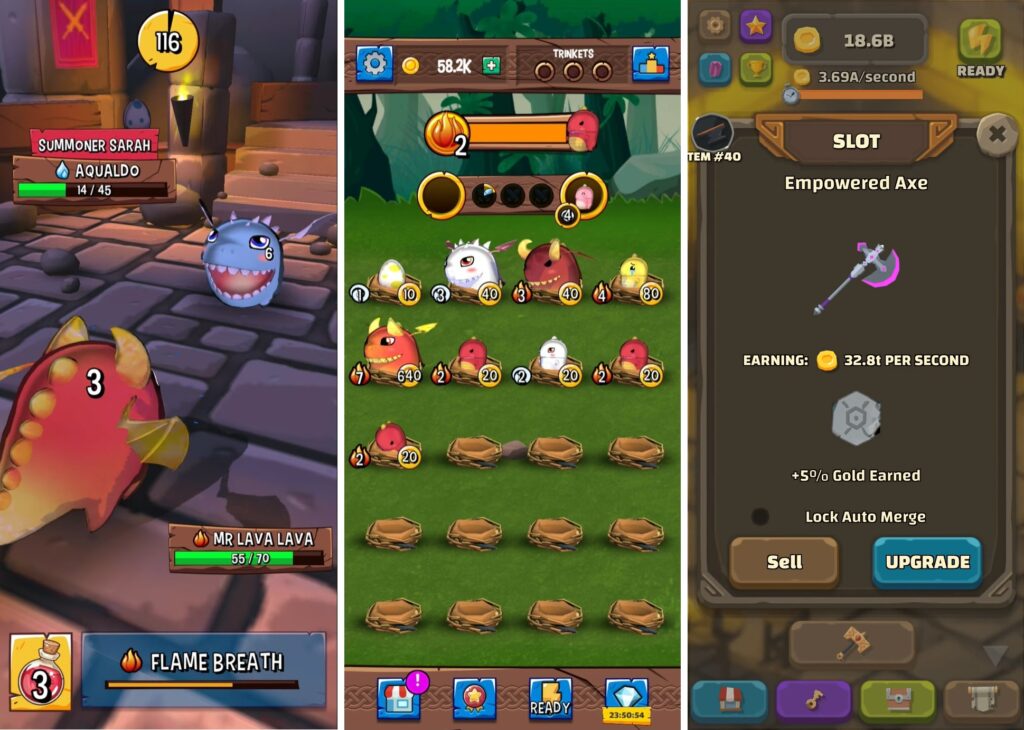
(Various titles) / Unity / ????
- Economy balance
- Metagame design
- Improved spreadsheets
2018 – 2020
Longbow Games
Principal Game Designer
I led the design of a mobile RTS prototype for a major European publisher. The project was modest in scope, but made for a nice first taste of broad creative responsibility. We developed a basic mix of unit types, designed a plan for the long-term metagame, and delivered milestone presentations to senior executives.
The prototype was well-received by the publisher and brought in-house for further development.
Click to show / hide games
(RTS Prototype) / Unity / Mobile
- Delivered a data-driven prototype
- Co-presented builds to publishing executives
- Worked with publisher’s in-house designers to unblock their design problems
2015 – 2018
Neon Play
Game Designer
I handled the systems & economy design for a mobile game studio. I initially joined to work on a co-development project with NaturalMotion, and then we went on to release a number of independent games of various genres – mostly refreshing old IP from Neon Play’s back catalogue with deeper metagame mechanics.
Neon Play was a small studio (around 20 – 30 people) and I was usually working on at least two projects at once. For me it was a role characterised by the very flat management structure (ie. a quick and simple process to go from idea to implementation) and some intense time management demands – I was defining all of the calculations and managing all of the balance data for every game, and needed to keep pace with different teams working in parallel.
Click to show / hide games
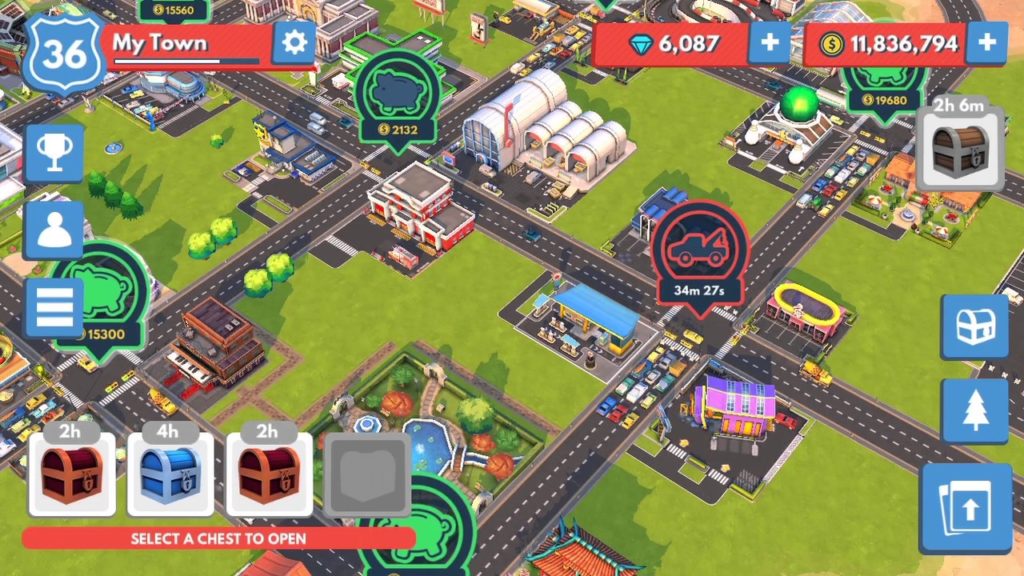
Traffic Panic: Boom Town / Unity / Mobile
- Metagame design & balance
- Core game system design
- Writing (dialogue, item descriptions, etc)
- Event system design
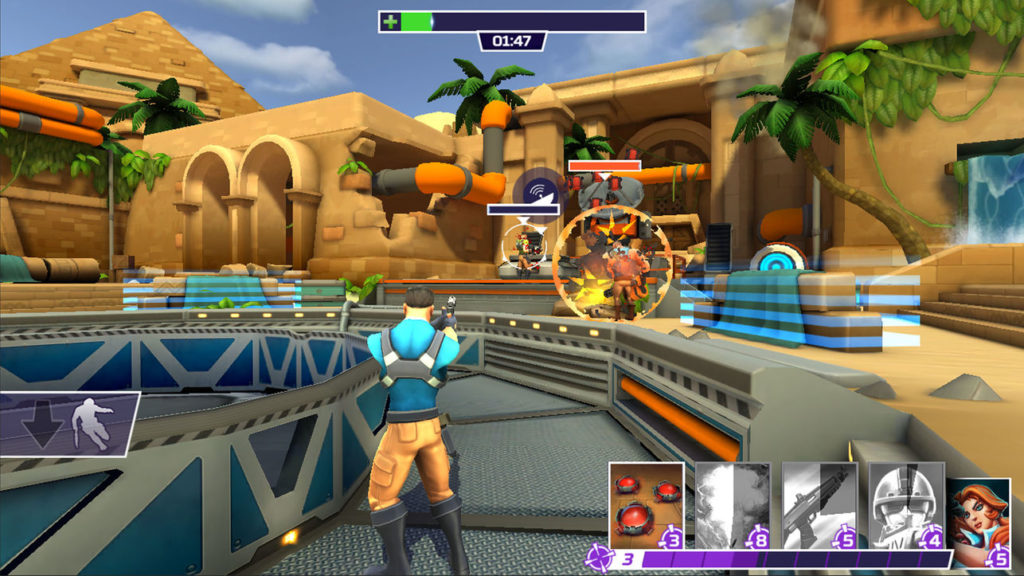
Bravo Force / Unity / Mobile
- Metagame design & balance
- Core game system design
- Combat design
- Enemy AI design
- Level greyboxing (very rough!)
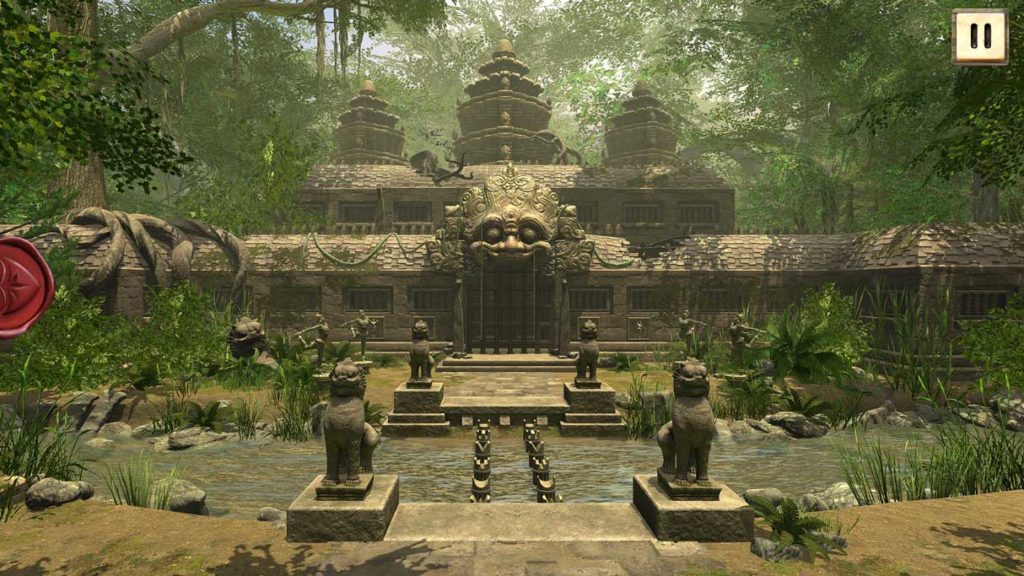
Escape Hunt: The Lost Temple / Unity / Mobile
- Puzzle design advice (working with a team of real-world escape room designers)
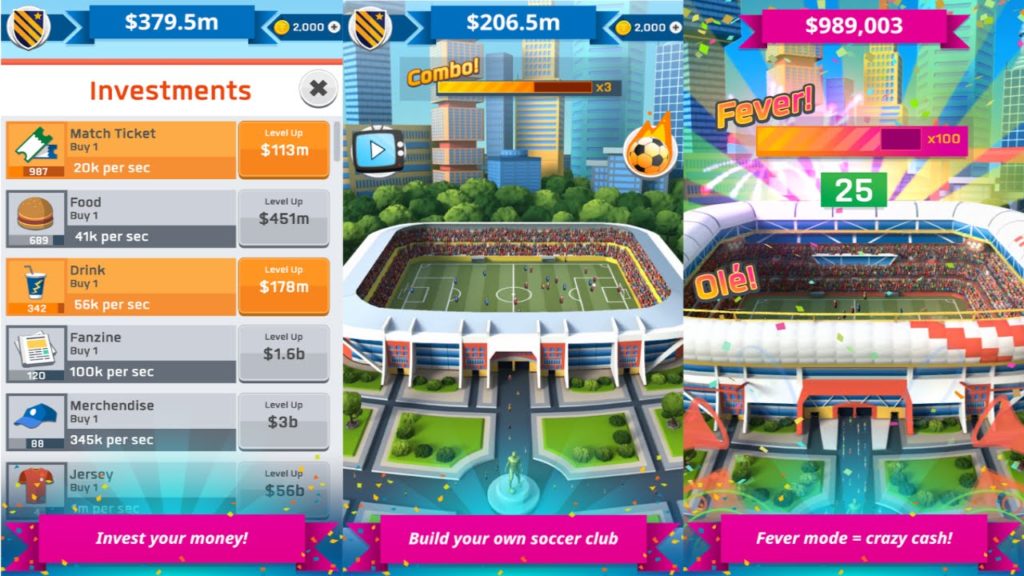
Tip Tap Soccer / Unity / Mobile
Tip Tap Rio / Unity / Mobile
Tip Tap Farm / Unity / Mobile
- Economy design & balance
- Writing (eg. staff / upgrade names)
(Unannounced Strategy Game) / Unity / Mobile
- Base-building metagame & economy balance
- Combat balance
- Huge amount of data management
2012 – 2014
Zynga
Associate Game Designer
I relocated to India to work on Empires & Allies – a Farmville-like management game with turn-based battles. The game was already a few years old, and was being transitioned from the original team in LA to our team in Bangalore. I was responsible for the design of weekly content updates, and worked with the Product Management team on monetisation strategy.
Once we had a steady plan in place for weekly updates I was reassigned to Hidden Chronicles – a hidden object game which was also transitioning to our studio. I spent six months learning to implement new hidden object scenes and jigsaw puzzles in our CMS, and was then put on the team developing Hidden Shadows – a sequel with a supernatural murder-mystery setting.
Hidden Shadows went on to be my first game launch, and the first new launch for the Bangalore studio.
Click to show / hide games
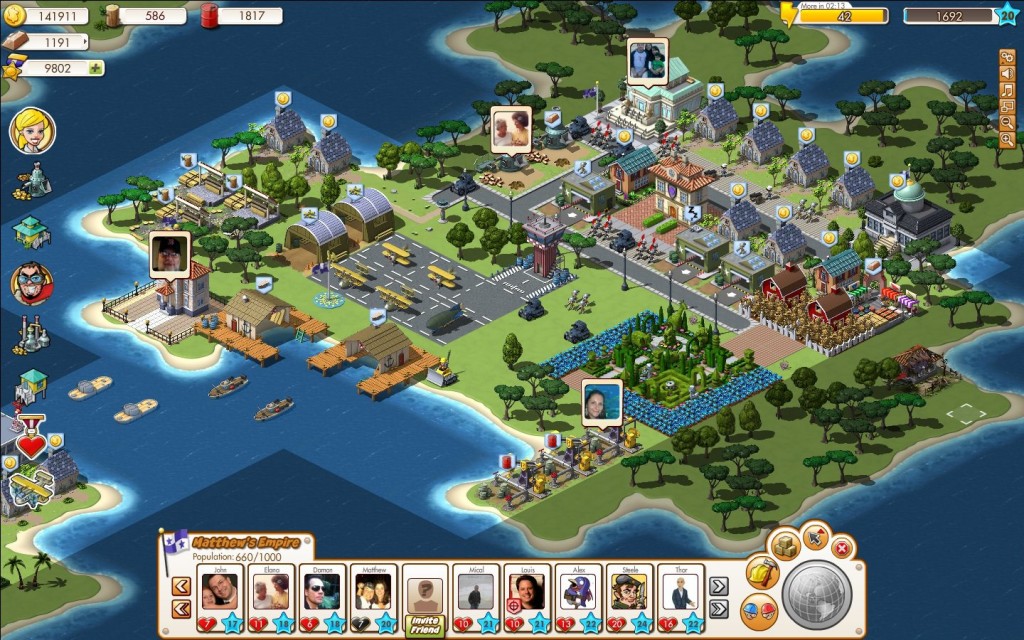
Empire & Allies / Flash / Browser
- Live game economy management
- Old game, bloated economy – interesting problems!
- Weekly premium units
- Established a controlled power inflation model
- Weekly building features
- Writing for new event campaigns
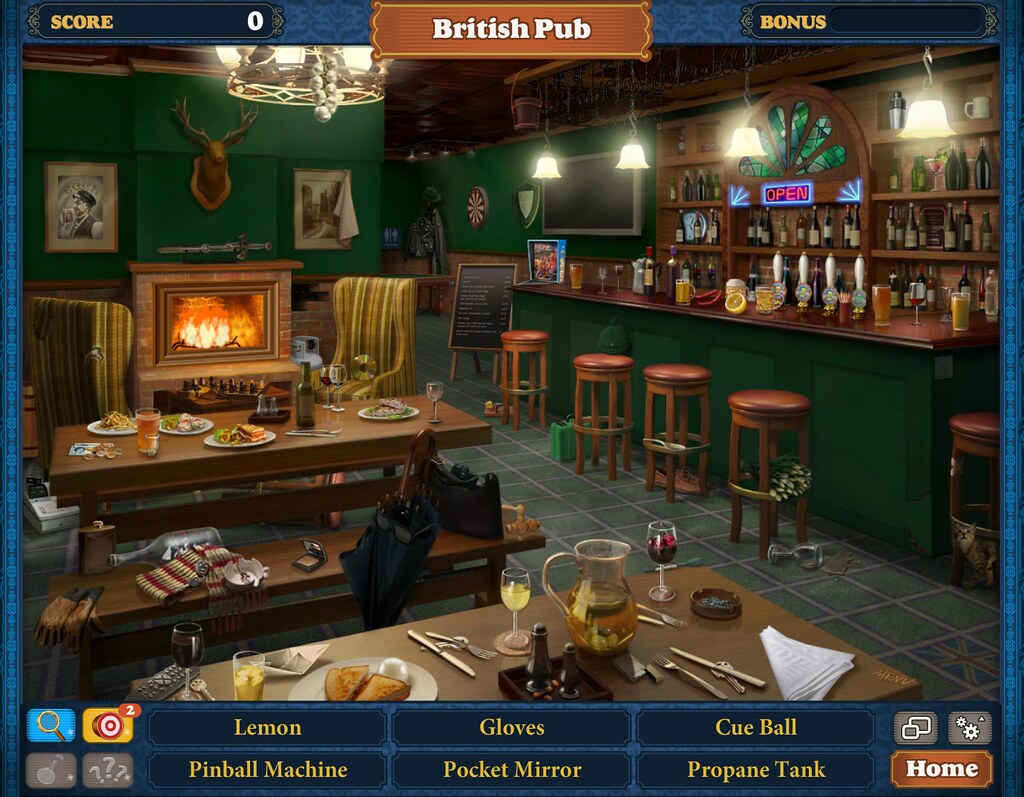
Hidden Chronicles / Flash / Browser
- Implementing new content
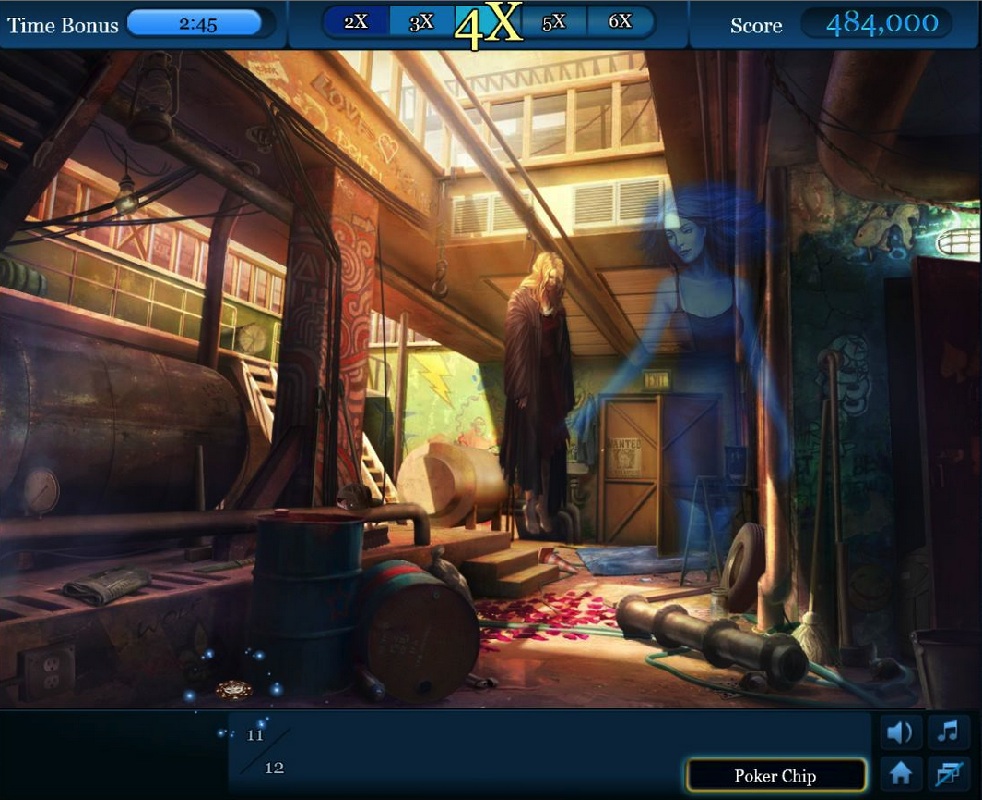
Hidden Shadows / Flash / Browser
- Implementing content
- Feature design
- Training junior designers
2010 – 2011
Promethean PLC
Systems Test Engineer
I tested hardware, software and firmware for a suite of interactive classroom products. The work was very straightforward, although it did require a lot of environment management – maintaining clean installs on different laptops and mobile devices (a great opportunity to brush up my Linux skills)
2006 – 2007
Northern Rock PLC
Systems Tester
I performed manual testing on an online banking platform, administrated test teams, and produced test cycle summaries for management.
Education
2008
Brunel University
MA Digital Games Theory and Design
Thesis title: The Overlooked Potential of Player-Controlled Perspective
2006
University of Leicester / University of Gothenburg
BA (Hons) Economics with a Year in Europe
Dissertation topic: Altruism in Virtual Economies